The Puzzle of Contemporary Art: How Museums Fill the Gaps in Taiwan's Art History with Collections
Museum collections are never based on market trends, but rather on whether a work can fill the gaps in art history. Taking the Taipei Fine Arts Museum as an example, its collection direction is clearly set to collect works by "outstanding artists who have contributed to the development of Taiwanese art," and uses "important artists in the context of Taiwan's contemporary art history" as the collection orientation. In other words, when collection experts evaluate an artist, the real question is:
If he were absent, would there be an unclear gap in this segment of art history?
The modern ink movement in Taiwan during the 1960s was an important turning point in post-war art history. However, if collection researchers carefully sort through this history, they will discover a phenomenon: most creators at that time, under the ideology of "pure form," deliberately concealed personal experiences, and their works tended toward the practice of abstract composition.
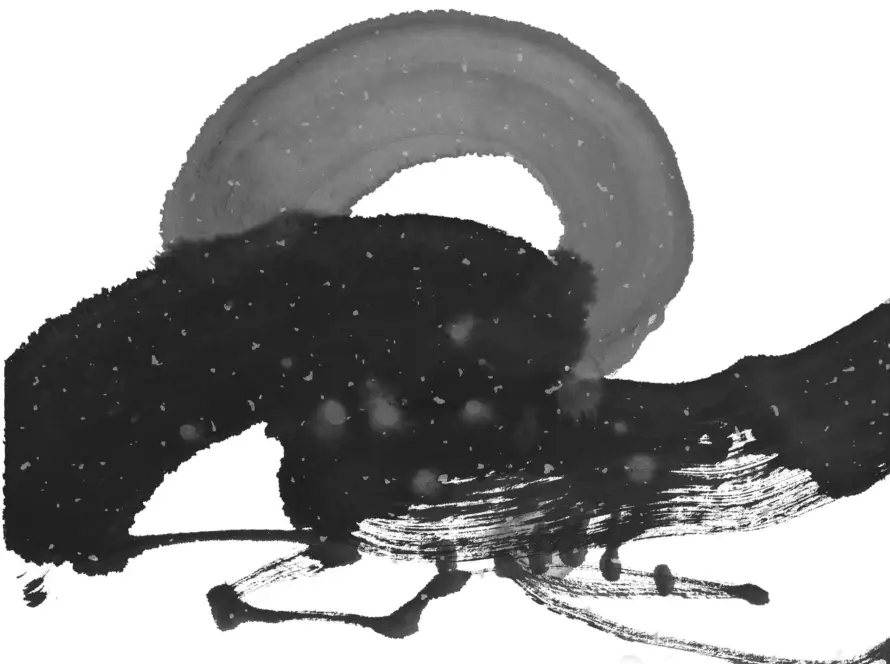
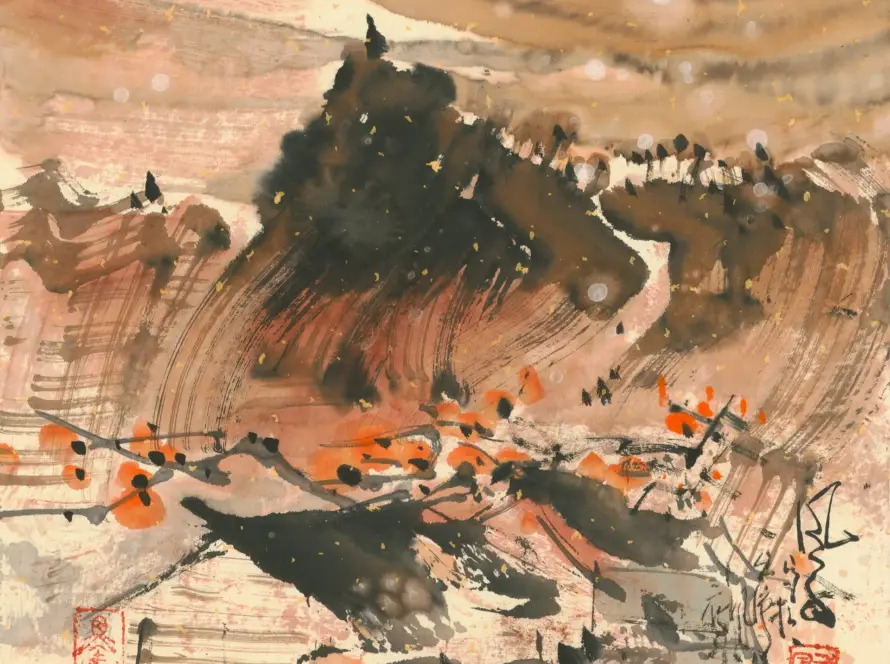
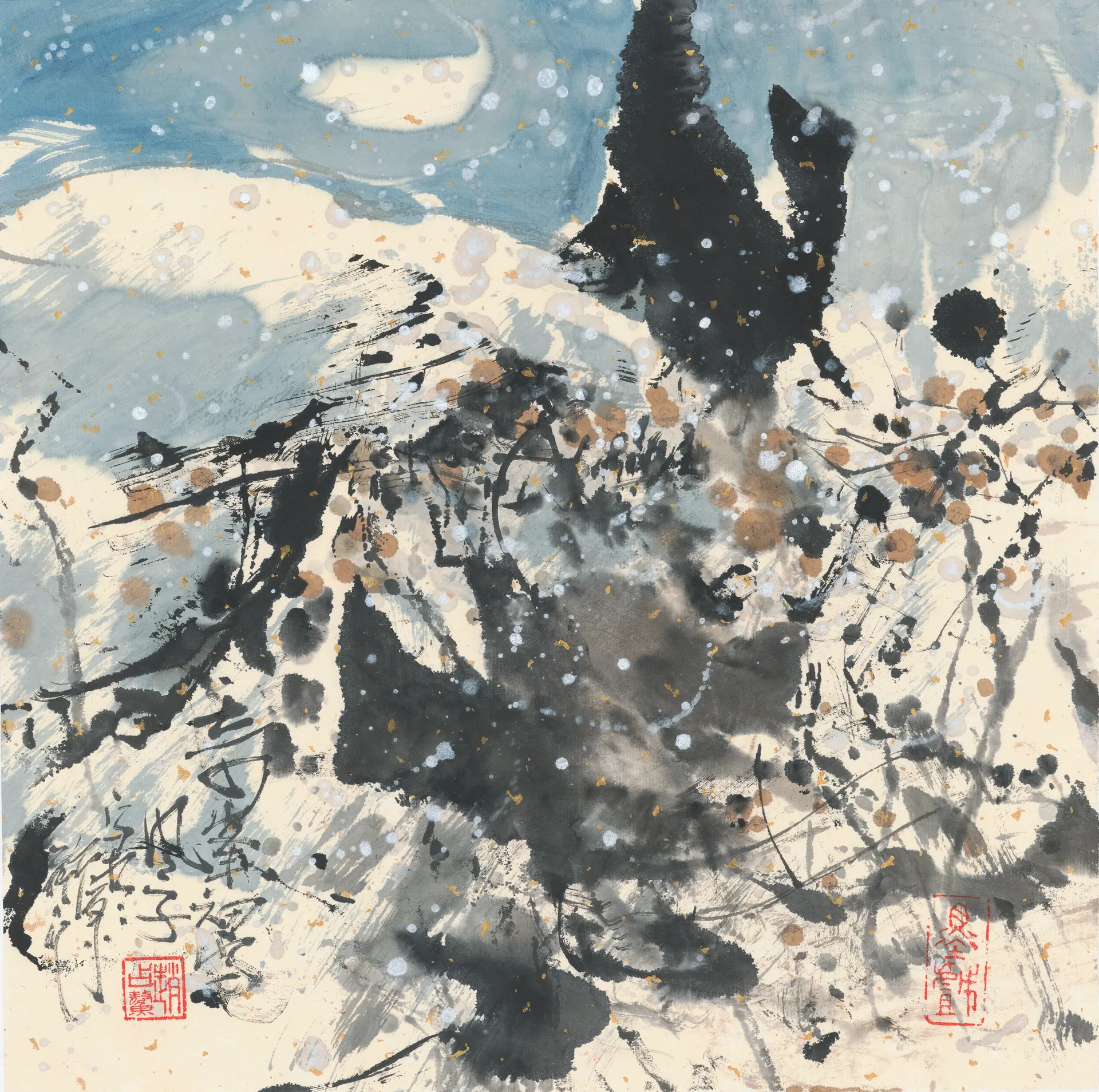
Zhao Zhan'ao is one of the few exceptions. Art historian Hsiao Ching-jui pointed out in a monograph that Zhao Zhan'ao's works "have always exhibited strong traces of life and pulsation, revealing a sense of desolation and solitude." From the perspective of collections, this is extremely precious; he represents the "thread that retains emotional life" in the modern ink movement, and this thread is precisely undervalued and underrepresented in the narratives of existing public art museums; he is an artist who can fill the narrative gap.
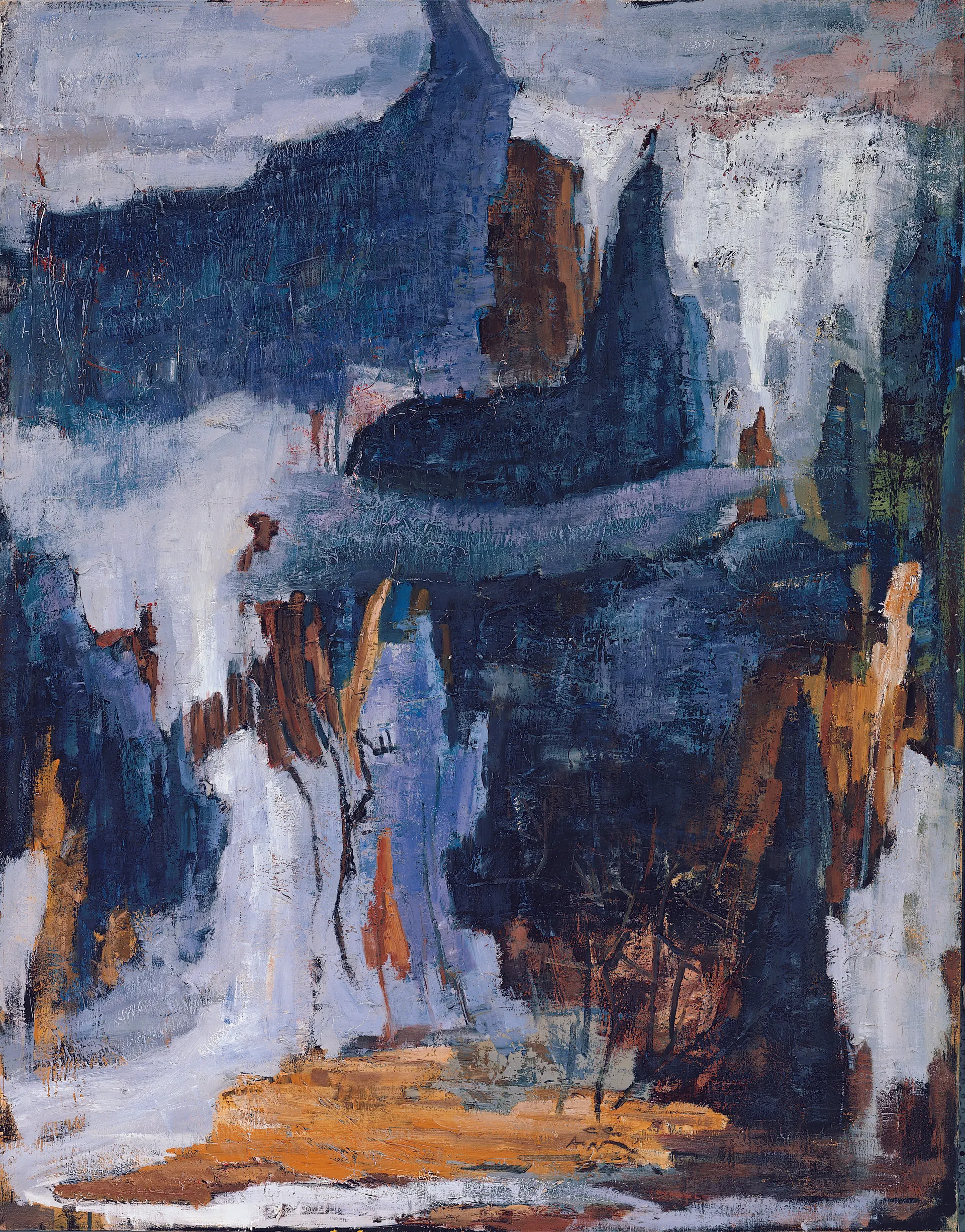
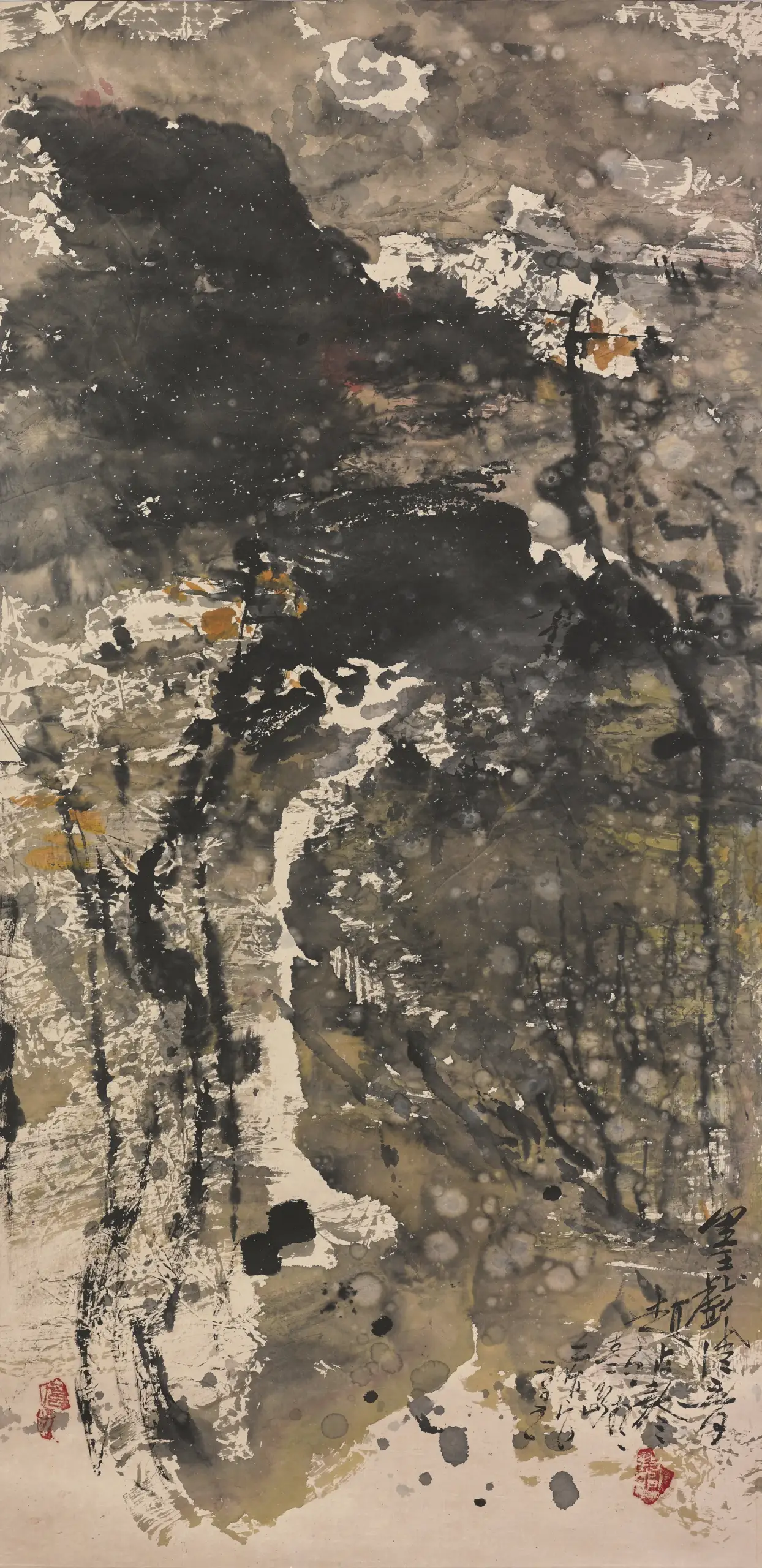
From Hsiao Ching-jui's Discussion on Zhao Zhan'ao's Artistic Positioning
Whether an artist can support a complete research topic. The uniqueness of Zhao Zhan'ao lies in his simultaneous creation in both ink and oil, and both validate the same artistic proposition: how to convey Eastern brushwork using Western materials. The most complete and academically weighty discourse positioning Zhao Zhan'ao (1932–2019) in Taiwan's art history comes from Hsiao Ching-jui, an honorary professor in the Department of History at National Cheng Kung University and a scholar of Taiwanese art history.
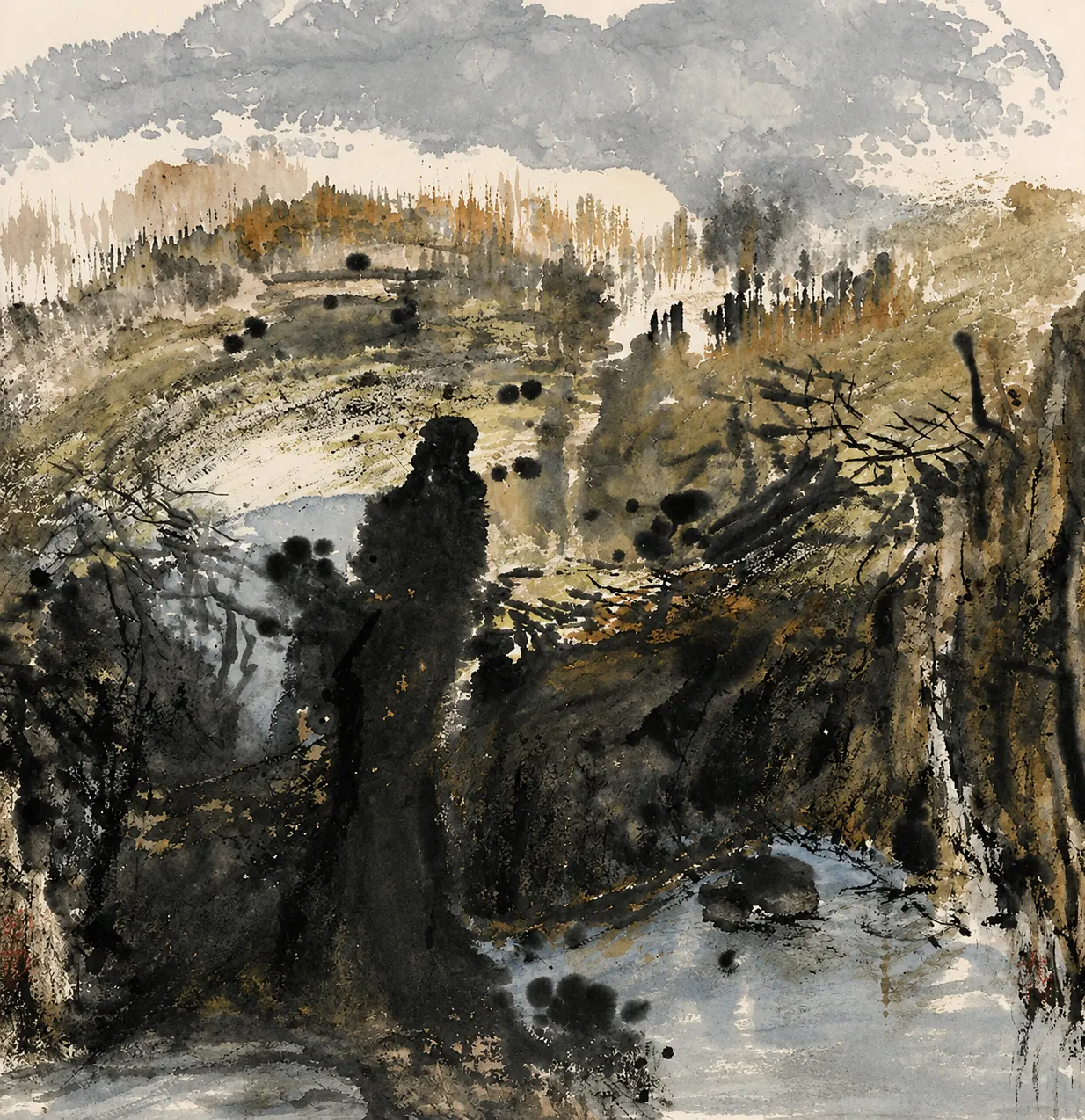
Hsiao Ching-jui points out the fundamental differences between Zhao Zhan'ao and his contemporaries. He observed that many modern ink creators, in pursuit of "pure form," deliberately concealed their personal life experiences and emotions, reducing their works to mere visual compositions. Only Zhao Zhan'ao is different; his works "have always exhibited strong traces of life and pulsation, revealing a sense of desolation and solitude," which is a natural expression of a person's unique life experience amid the changes of the times. Hsiao Ching-jui used a series of vivid metaphors: "at times like the momentum of a sudden storm, at times like the desolate and lonely falling leaves, at times like the steadfast giant rocks and trees."
When discussing Zhao Zhan'ao's oil paintings, Hsiao Ching-jui found a counterpart for him among modern Chinese artists—Wu Guanzhong. He believes the two may be the most similar, yet they are distinctly different in temperament: Wu Guanzhong leans towards the romantic and spontaneous, while Zhao Zhan'ao's oils "exhibit a more solid and profound texture and connotation." Hsiao Ching-jui's summary of this fusion of East and West may be the most concise statement in the entire text: "The mountains, forests, and clouds of China are dressed in Western colors, and Western painting materials express Eastern charm."
Zhao Zhan'ao, with "strong will and pioneering talent, left behind a large number of outstanding works for this era," and these works "are not only artistic achievements but also valuable cultural assets, becoming witnesses of history."